How to Open a Cannabis Dispensary
How to Open a Cannabis Dispensary in 12 Steps
Opening a cannabis dispensary in California isn’t just about selling weed. It’s about navigating a labyrinth of regulations, investments, and community expectations. Despite this initial swirl of chaos, it’s important to keep your eyes on the prize as you build your business. Create a shop that connects people with clean plant medicine, and respects the culture while doing so.
If you’ve ever wondered how to open a cannabis dispensary in California, here’s a guide that breaks it down into twelve essential steps, from navigating local laws to celebrating your opening day.
Key Takeaways
- Dispensary ownership requires both state and local approval.
- A solid business plan is your foundation.
- Location must comply with strict zoning rules.
- Licensing is expensive, time-consuming, and non-negotiable.
- Marketing is regulated, but creative strategies keep customers coming back.
- Community trust is as important as compliance.
1. Research State and Local Laws
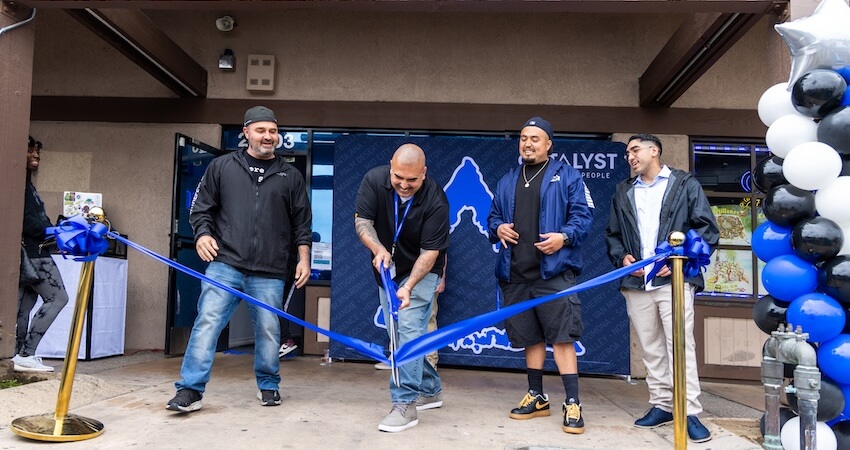
The first step in learning how to open a cannabis dispensary is understanding the complex patchwork of laws that govern it.
California state’s Department of Cannabis Control (DCC) consolidates licensing for cultivation, manufacturing, distribution, and retail. But at the end of the day, local government reigns supreme. Cities and counties can, and often will, ban dispensaries altogether.
Start by visiting the DCC’s “Can I Apply?” tool to check eligibility in your area. Then, review your city or county’s municipal code for cannabis-specific zoning and buffer zone rules. Most local governments require dispensaries to be at least 600 feet from schools or youth centers, though some impose stricter limits.
When in doubt, reach out to your local planning department before locking in a lease. And to start your market research, check out what’s already on the shelves in your area by browsing Catalyst cannabis products.
2. Create a Business Plan
A strong business plan is the backbone of every successful dispensary and the first thing investors, cities, and the DCC will ask to see. Your plan should outline your mission, projected revenue, operating structure, and compliance strategy.
- Be transparent: Include cash flow projections, security costs, compliance software, and staff training budgets.
- Show community commitment: Many jurisdictions require proof that your business supports public health and safety goals. Consider partnerships with local nonprofits or restorative justice programs.
- Acknowledge inequities: Cannabis laws are complex and often unfair. Consumers will notice whether your business uplifts or exploits the industry.
- Plan your finances: Between licensing fees, buildout, insurance, and initial inventory, expect startup costs from $250,000 to over $1 million, depending on your location and scope.
- Outline operations: Detail your security plan (cameras, safes, alarms), product sourcing strategy, and customer experience goals.
- Include marketing: Add a section that aligns with DCC advertising rules, but more on that later.
A thoughtful, detailed business plan not only sets you apart from competitors but also builds credibility with both regulators and the community you plan to serve.
3. Form a Legal Entity
Once your vision’s locked in, give it legal form. Most operators form a Limited Liability Company (LLC) or C-Corporation, though California also recognizes Cannabis Cooperatives.
Each structure comes with unique tax and liability implications. LLCs provide flexibility and protect personal assets, while C-Corps can attract investors more easily. Cannabis Cooperatives, on the other hand, operate under a collective model that prioritizes member benefit over profit.
Once you’ve chosen, register your entity with the California Secretary of State. You’ll need an Entity Number and Certificate of Status before applying for state licenses. These documents serve as proof your business is legitimate and keep your paperwork clean when tax season rolls around.
4. Choose a Dispensary Location that Abides by State Rules
Location is everything. When deciding where to open a cannabis dispensary, your property must comply with both state and local zoning regulations.
The state mandates that all retail cannabis businesses remain at least 600 feet away from schools, daycare centers, and youth facilities. However, many cities, like Los Angeles and San Francisco, add their own restrictions, buffer zones, or neighborhood caps.
You’ll also need proof of legal control over your property, meaning you must own or lease the space. If you rent, your landlord must provide written consent for cannabis activity on-site.
Check with your local planning department before finalizing a lease, and get everything in writing. To see how established shops operate, find a Catalyst dispensary near you and observe how they manage compliance, security, and community integration before taking the plunge.
5. Register with Tax and Business Agencies
Before you sell a gram, you’ll need to face the taxman. This is America, after all.
Once your legal structure and location are set, it’s time to register with the appropriate tax agencies. This ensures compliance and allows your dispensary to operate legally within California’s retail cannabis system.
Apply for a CDTFA Cannabis Tax Permit
This cannabis tax permit authorizes you to collect and remit state excise and sales taxes.
Registration must occur before retail operations begin, and you’ll need your Secretary of State and local authorization documents on hand. The CDTFA portal also tracks quarterly filings, so it’s smart to set up accounting software that integrates with it.
Failure to register can lead to fines, delays, and, ultimately, the suspension of your DCC license. So don’t skip this step!
Ensure Business Registration with CA Agencies
You’ll also need an Employer Identification Number (EIN) from the IRS. If you plan to hire staff, register with California’s Employment Development Department (EDD) to handle payroll taxes and unemployment insurance. Each registration connects you to the state’s business ecosystem and protects you from noncompliance.
6. Apply for a Retail License from the DCC
This is a big one. Your retail license. Applications require a mountain of documents like business formation, SOPs, security plans, and financial disclosures.
When you’re ready, apply for your retail license directly through the DCC’s online portal. You’ll need all your documents so have those handy. Fees vary, and approval timelines can stretch for months, so budget accordingly when planning out the costs to open a cannabis dispensary.
You can choose provisional or annual licenses, but expect long review times. Without this license, you’re just another dreamer.
7. Obtain Local Authorization
State approval isn’t enough. Your city or county must give a go-ahead, too. While California lets you start the state license process before local approval, you’ll need both before opening.
Getting the green light from your city or county is often the hardest part of opening a cannabis dispensary, but that just makes it all the more rewarding when it finally hits.
Secure Conditional Use Permits
Most California cities require a Conditional Use Permit (CUP) to operate a cannabis retail business. CUPs regulate where and how your dispensary can function, and they’re often the most time-consuming part of local approval.
Each city has its own process, fees, and hearing schedule. Some also issue local cannabis business licenses alongside CUPs. Start early and maintain open communication with city officials to stay on track.
Pass Building, Health, and Fire Inspections
Before opening, local agencies will inspect your facility to ensure compliance with building, health, and fire codes.
Expect inspectors to review your electrical systems, ADA accessibility, fire suppression, and ventilation. You’ll also need to comply with Title 24 of the California Building Code.
Keep all documentation organized. Passing these inspections is your final hurdle before local approval.
8. Build a Compliant Retail Facility
When people picture how to open a cannabis dispensary, they often imagine its design from the outside in. But the real work happens behind the scenes, where compliance and creativity coexist.
A compliant dispensary isn’t just safe. It’s secure, accessible, trustworthy and, with any luck, fun to shop in.
Robberies are a big issue for California dispensaries, so protecting your product is important. Install 24-hour surveillance cameras, alarm systems, and reinforced safes that meet DCC requirements. Hire private security as well.
Ensure your store design meets ADA accessibility standards and that all products are stored in locked containers when not in use. Clean design, soft lighting, and transparent service areas also build community trust.
9. Set up Technology Systems
California requires all licensed dispensaries to integrate their POS systems with METRC, the state’s seed-to-sale tracking software.
Your POS should handle real-time inventory, sales reporting, and data backups automatically. Choose one that includes compliance alerts, age verification, and ID scanning tools to avoid errors during transactions.
In the dispensary world, technology isn’t just a tool, it’s your compliance lifeline. If you’re serious about learning how to open a cannabis dispensary that lasts, invest in the right systems from day one.
10. Hire and Train Staff
The people behind the counter define your brand, especially when it comes to your budtenders’ expertise. Every employee should understand the science behind the cannabis plant, the laws surrounding it, and the products you carry, while providing the customer experience your shop stands for.
Perform background checks, train staff on DCC purchase limits and labeling requirements, and keep detailed employee records. And most importantly, make sure they’re knowledgeable enough to recommend the right products to suit the varied needs of your community.
11. Market Your Dispensary
Once you’re licensed, legal, and ready to roll, it’s time to tell the world who you are. Marketing within cannabis laws can be tricky, but pushing creative boundaries often makes the best art.
Follow DCC Marketing and Advertising Restrictions
There are tons of no-no’s when it comes to cannabis marketing. For example, no ads targeting minors, no billboards, and no medical claims.
Every advertisement must include the DCC license number, and all signage must list age restrictions and health warnings. Stay compliant while still expressing your shop’s identity by building trust, and let your brand grow from authenticity, not hype.
Use SEO, SMS, and In-Store Promotions
Because of all the IRL marketing restrictions, digital marketing is the key to modern cannabis retail. Optimize your website for local search. Think “dispensary near me” keywords, and an interface that encourages customers to leave reviews.
Build SMS loyalty programs for deal alerts and exclusive product drops. Geotargeted ads, organic blog content, and community partnerships can drive steady traffic without breaking compliance rules.
Want inspiration? Check out Catalyst’s own cannabis deals and community-driven promotions. Remember: creativity, consistency, and compliance! The three C’s of weed marketing’s holy trinity.
12. Open Your Doors!
After months (maybe years) of paperwork, planning, and patience, it’s go-time. Notify the DCC at least ten days before opening and make sure every policy, sign, and camera is in place.
And there you have it! You’re now part of California cannabis history. Stay vigilant with renewals and compliance updates. Laws evolve and compliance is ongoing. Staying educated keeps your license safe.
When those doors finally open, stay mindful of why you started this journey to begin with: to connect people in need with the plant that never stops giving.
We’re an Established California Dispensary
Catalyst is proof that when you build with purpose and integrity, good things grow.
As one of California’s leading operators, we’ve learned firsthand that opening a cannabis dispensary starts with passion, but thrives on consistency, compliance, transparency, and community.
If you’re ready to experience what a great dispensary feels like, browse our cannabis deals or stop by one of our stores to see what a compliant, culture-driven shop looks like in action.
How to Open a Cannabis Dispensary FAQs
-
What licenses are required to open a dispensary?
You’ll need a retail license from the DCC plus local permits like CUPs and business licenses.
-
How long does it take to open a dispensary?
Anywhere from 9 months to 2 years, depending on your jurisdiction and permitting process.
-
What are the zoning laws for cannabis dispensaries?
State law requires a 600-foot buffer from schools and youth centers, with additional local restrictions possible.
-
Do you need a business plan to open a dispensary?
Yes. Most cities and investors require a detailed business plan showing compliance, community benefit, and financial projections.
-
Can you open a dispensary without a cannabis background?
Yes, though prior industry experience helps. Surround yourself with experts in compliance, retail, and marketing.
-
Is it better to open a medical or recreational dispensary?
In California, recreational licenses dominate, but medical-only shops still exist in some markets.
-
What states are easiest to open a dispensary in?
Currently, states like New Mexico, Michigan, and Maine have more accessible licensing compared to California’s highly competitive process.